A planted rumor that the brand then corrects with its real selling point
CeraVe · Seen Nov 17, 2026
CeraVe · Influencer
Raise a question people want answered, then answer it with the one thing you want them to remember.
We link to this one instead of showing a screenshot. See it at the source.
See the original sourcemarketingbrew.com
What they did
In early 2024, the skincare brand CeraVe started a fake rumor that the actor Michael Cera had created it, because the names sound alike. Staged photos showed him carrying bags of the product. Creators filmed him signing bottles in a pharmacy and showing a trailer full of it. CeraVe then denied on Instagram that he was involved. The Super Bowl ad on February 11 closed the story: dermatologists turn down his pitch, which makes the real point that the brand is developed with dermatologists. The brand manager described three phases: fake news, debunking and reveal. The campaign won the Grand Prix for Social and Influencer at Cannes Lions 2024.
Why it works
Raise a question people want answered, then answer it with the one thing you want them to remember.
Curiosity. Open a question in the mind and people stay to close it.
How to copy it
- Decide the single fact you want people to remember about your brand.
- Find a playful question or mix up that leads to that fact.
- Let other people raise the question first, such as creators, customers or partners.
- Step in and correct it clearly, with your real selling point as the answer.
- Keep the tease harmless. Never mislead people about safety, price or what the product does.
Fill in the blank template
People are asking if [playful rumor]. The truth: [your real selling point].
Use this with AI
Fill in the three blanks, then paste this into ChatGPT, Claude or the AI tool you use. You get a first draft of this idea for your own brand.
Help me write marketing for my brand, using an idea from a real campaign.

THE IDEA (from CeraVe)
Principle: Raise a question people want answered, then answer it with the one thing you want them to remember.
What they did: In early 2024, the skincare brand CeraVe started a fake rumor that the actor Michael Cera had created it, because the names sound alike. Staged photos showed him carrying bags of the product. Creators filmed him signing bottles in a pharmacy and showing a trailer full of it. CeraVe then denied on Instagram that he was involved. The Super Bowl ad on February 11 closed the story: dermatologists turn down his pitch, which makes the real point that the brand is developed with dermatologists. The brand manager described three phases: fake news, debunking and reveal. The campaign won the Grand Prix for Social and Influencer at Cannes Lions 2024.

STEPS TO COPY IT
1. Decide the single fact you want people to remember about your brand.
2. Find a playful question or mix up that leads to that fact.
3. Let other people raise the question first, such as creators, customers or partners.
4. Step in and correct it clearly, with your real selling point as the answer.
5. Keep the tease harmless. Never mislead people about safety, price or what the product does.

TEMPLATE
People are asking if [playful rumor]. The truth: [your real selling point].

ABOUT ME
My brand and what I sell: [fill this in]
Who I sell to: [fill this in]
What I want people to do: [fill this in]

YOUR TASK
Write 3 versions of this idea for my brand, using the template. Use my facts and my words, not the ones from CeraVe. Do not copy their text or invent numbers, prices or results. Match how my customers talk. If something important is missing, ask me before you write.
Nix's take

Nix
Marketer since 2009. Teaches AI marketing.
Ignore the Super Bowl budget and study the order of events. They let other people raise a question, then answered it with the one fact they wanted remembered: developed with dermatologists. A small brand can run the same sequence with three creators and one honest reveal.
More examples of curiosity
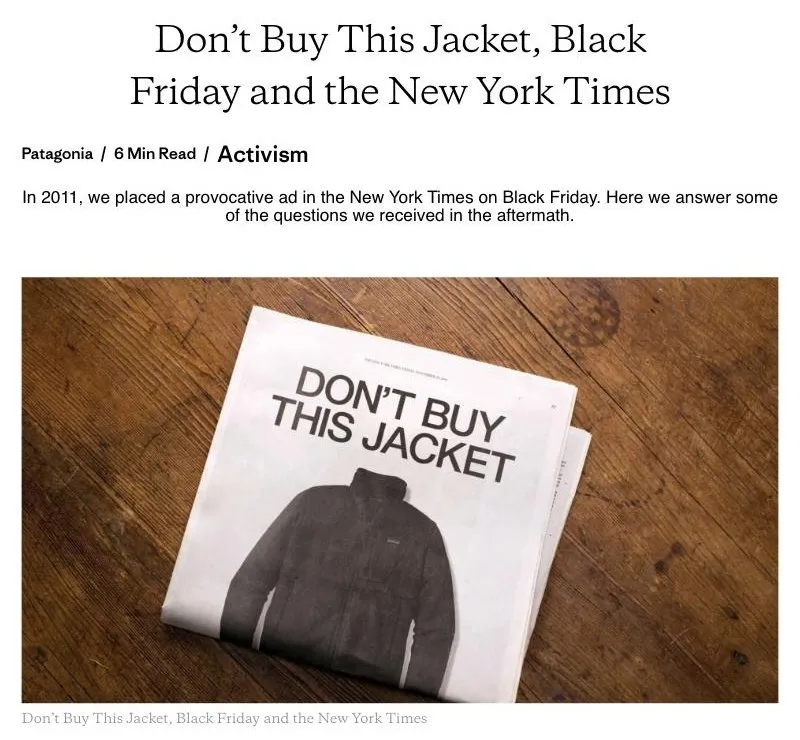
A Black Friday ad that tells people not to buy
Patagonia · Curiosity
More from Influencer

An endorser film built from scenes of her real life
GCash · Social proof
A fixed team of 20 creators instead of one off influencer posts
Jollibee · Social proof